TVC Auto
1 / 5
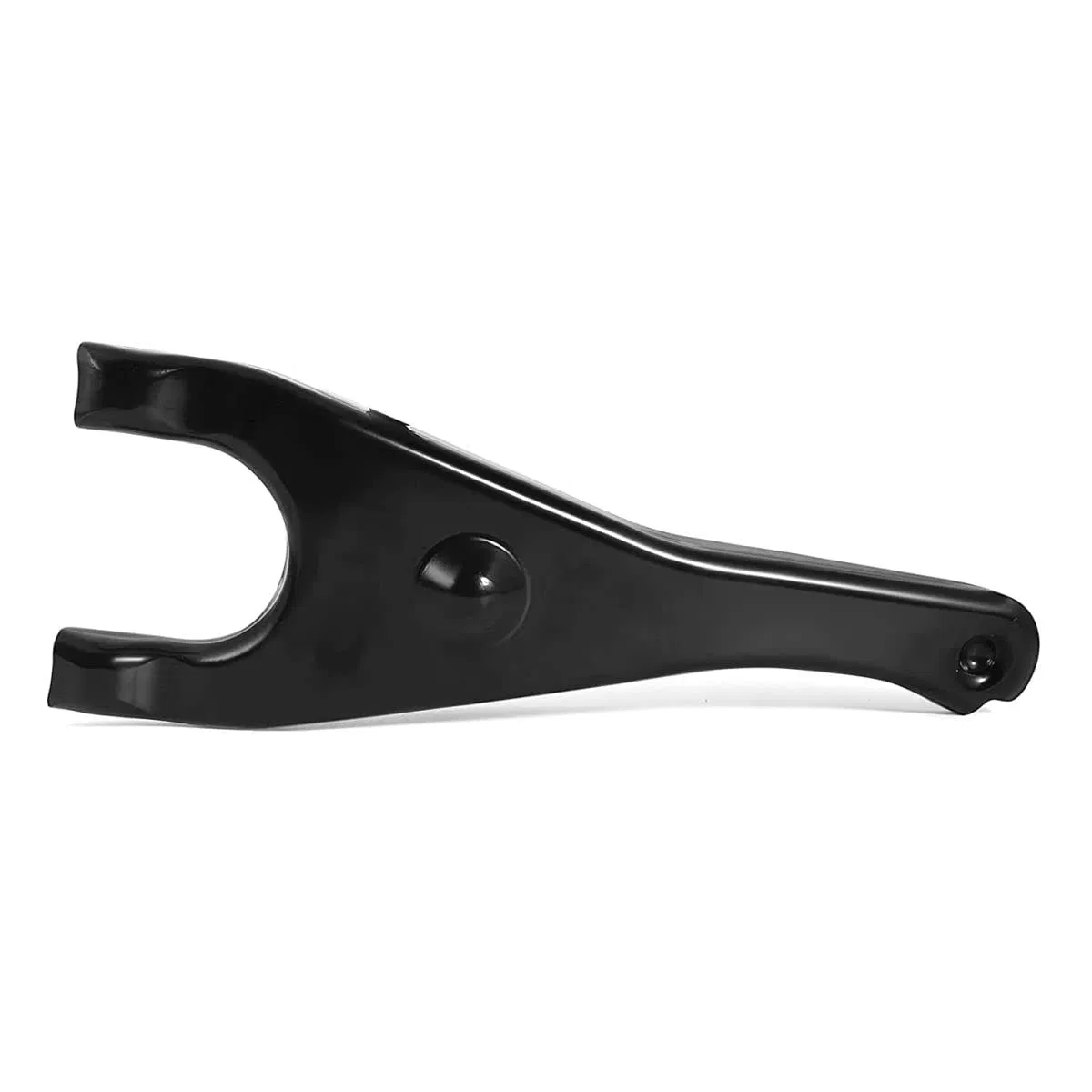
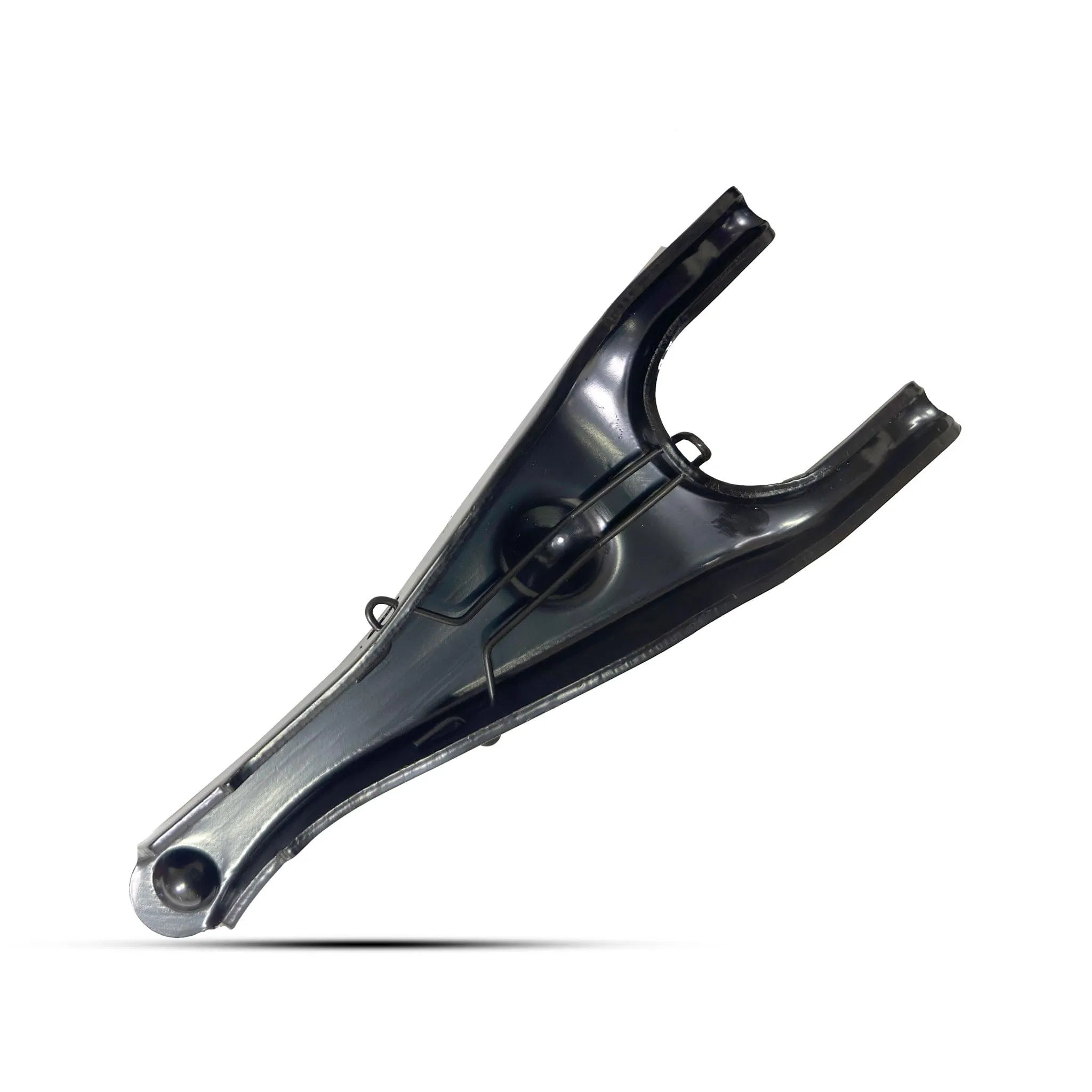
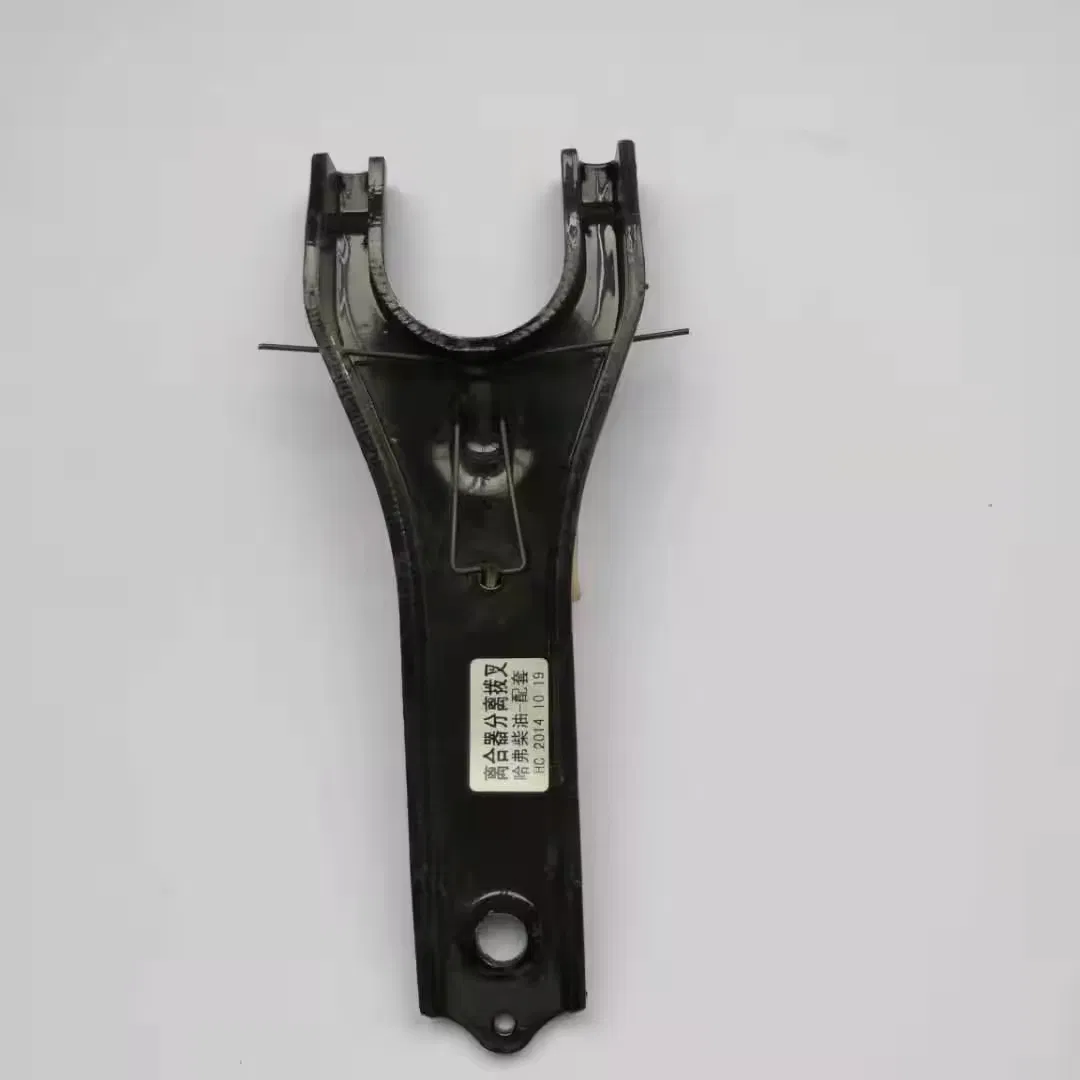
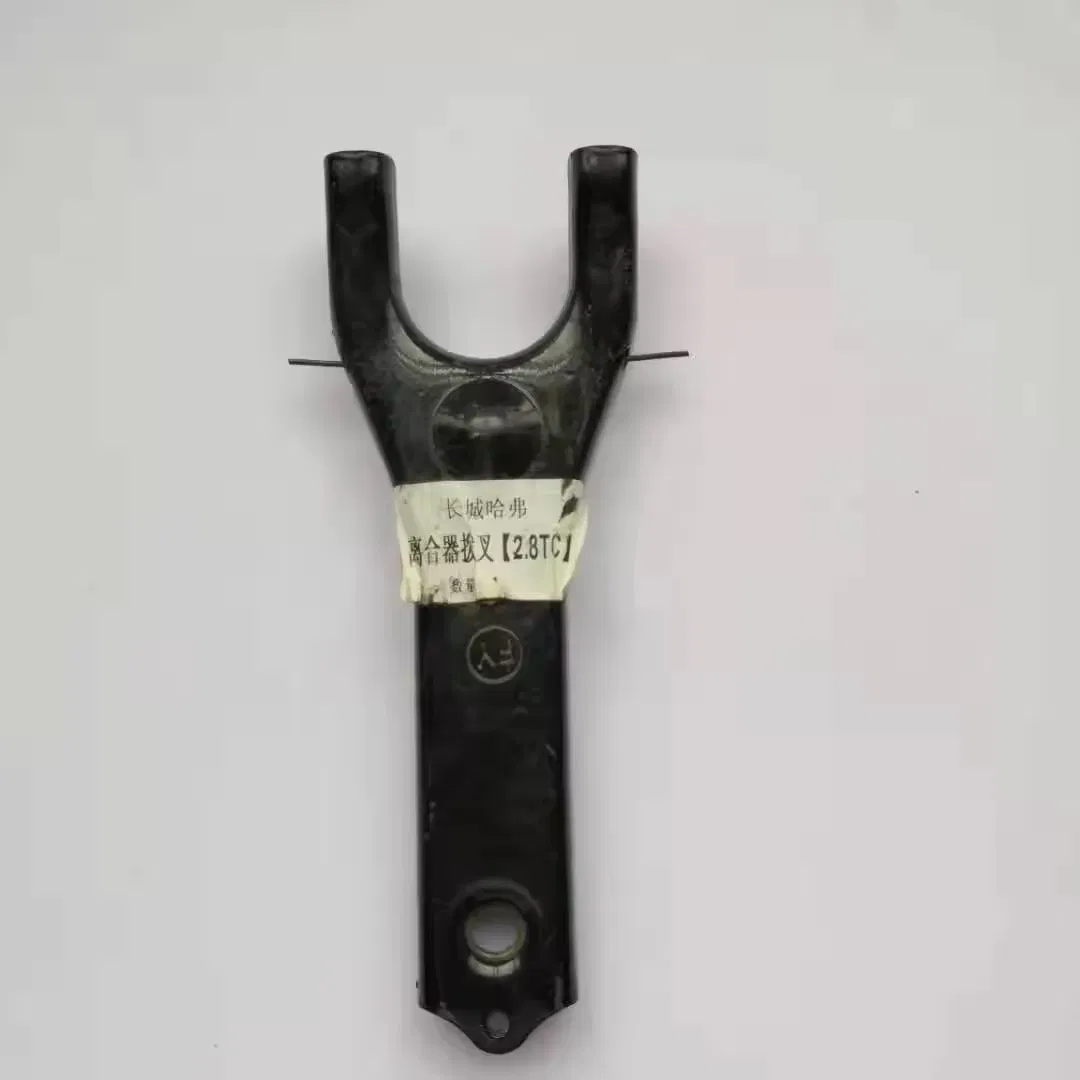
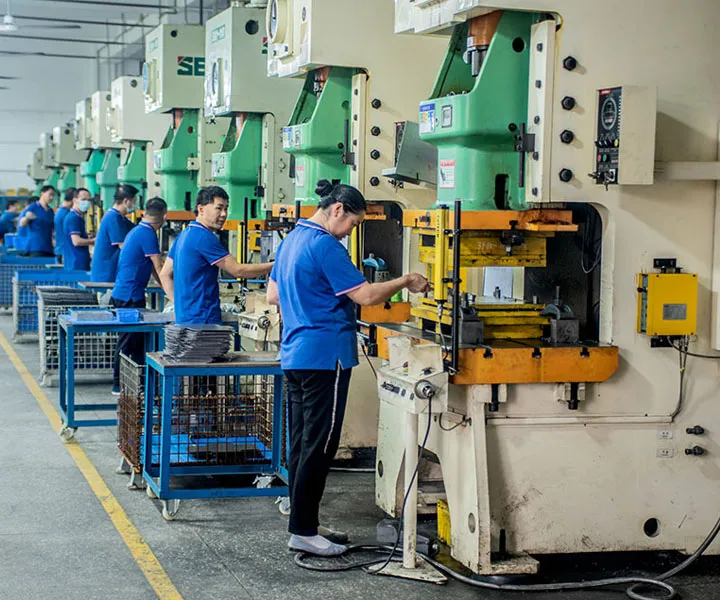
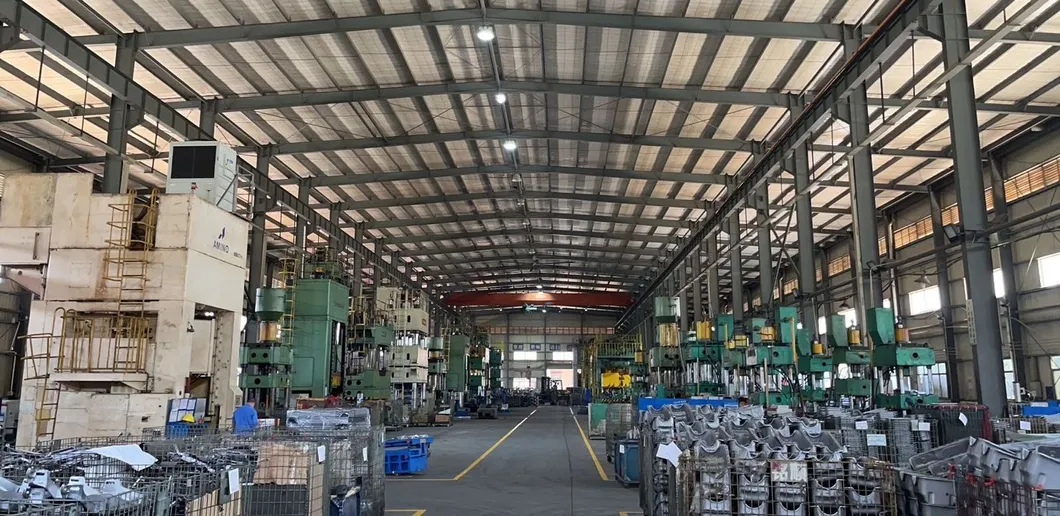
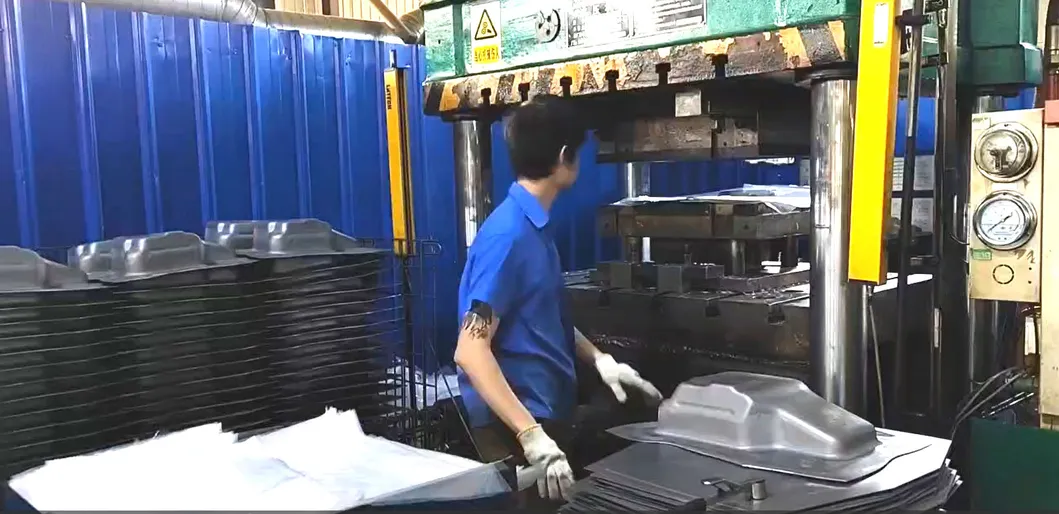
Our company focuses on the cold forming by press and stamping production process. The stamping metal parts can be applied to various areas, such as motor parts (mounting brackets, starter brackets, oil pump brackets, water pump brackets, etc.). All metal stamping parts are manufactured using high-precision stamping, pressing, press brake, laser cutting, and polishing machines.
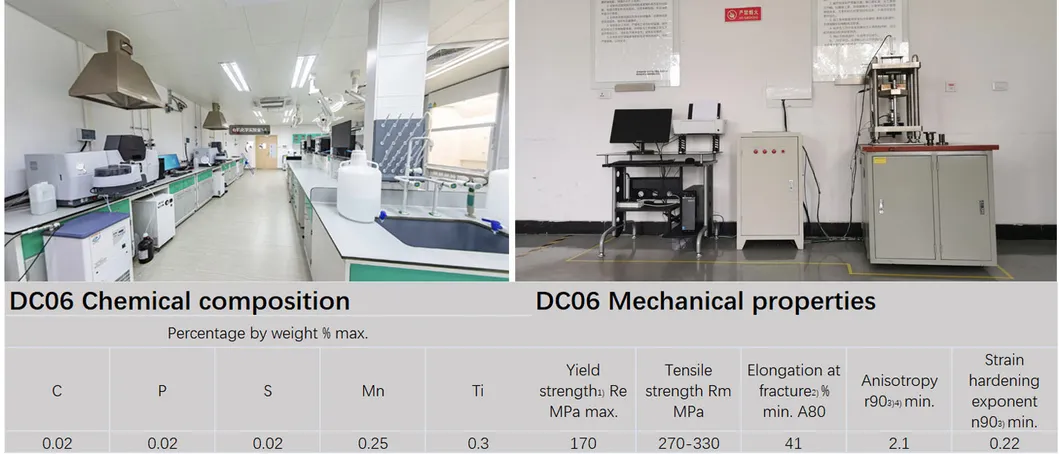
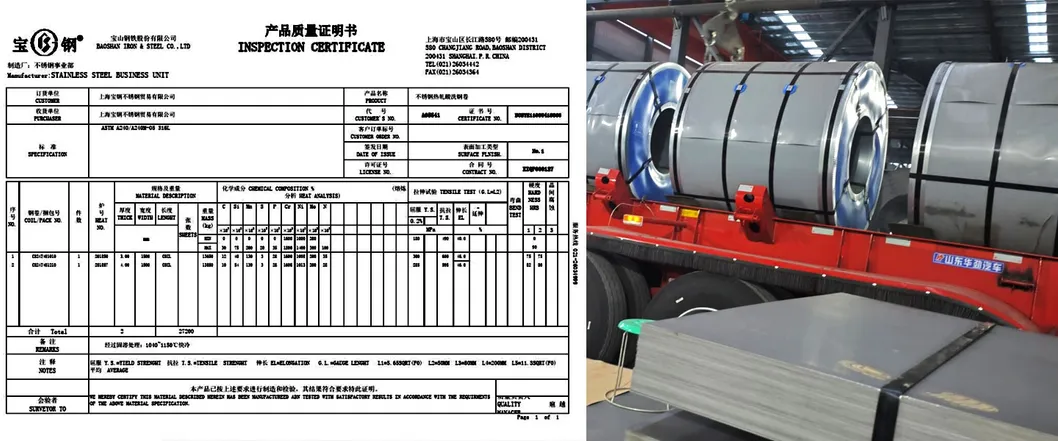
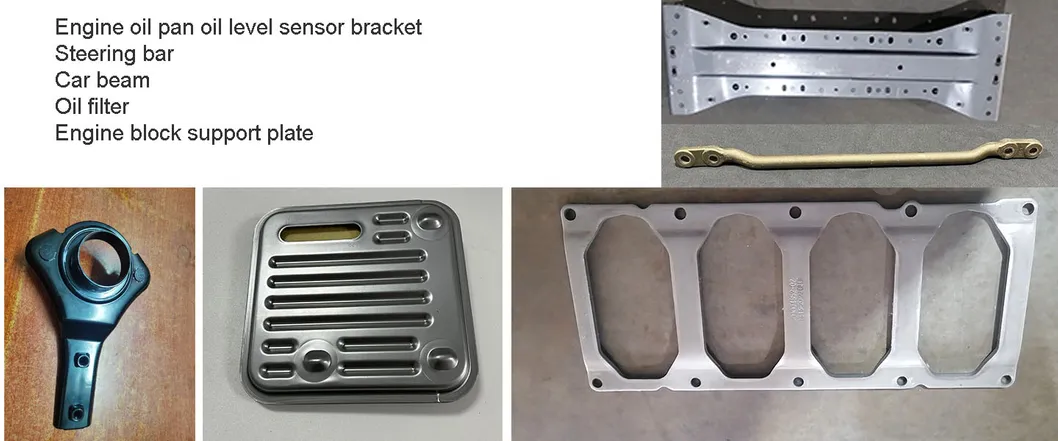
We produce a wide range of stamping metal brackets, including brake pedals, accelerator pedals, and cylinder block stiffener plates. Every metal bracket is made from steel sheet plate, requiring strict raw material inspection. We test chemical composition and mechanical properties, including tensile strength, yield strength, and elongation. For deep drawing processes, we typically use DC06 material with elongation over 25%.
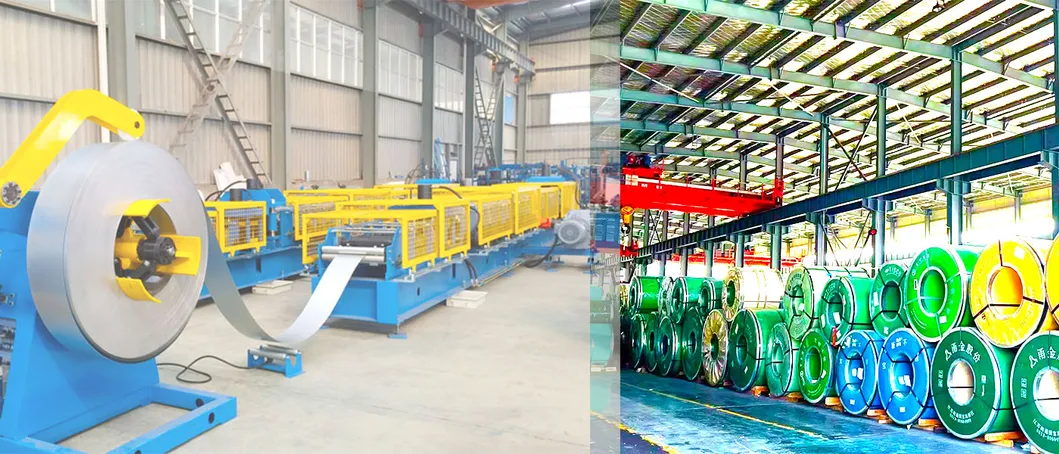
Raw material is delivered in coils for transport convenience. Upon arrival at the warehouse, we conduct testing followed by the decoiling process.
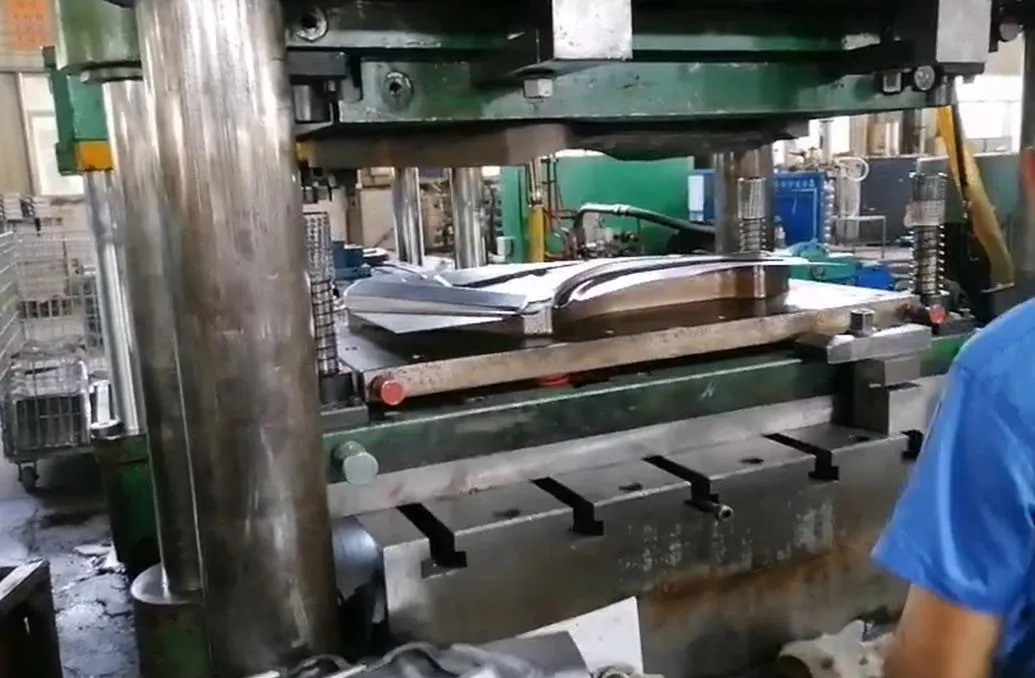
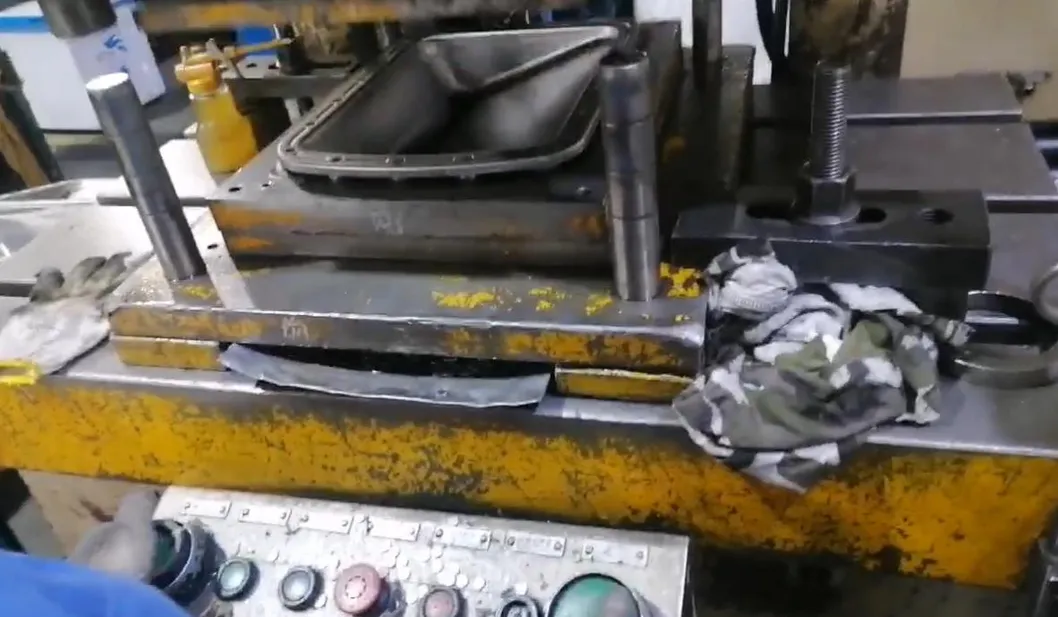
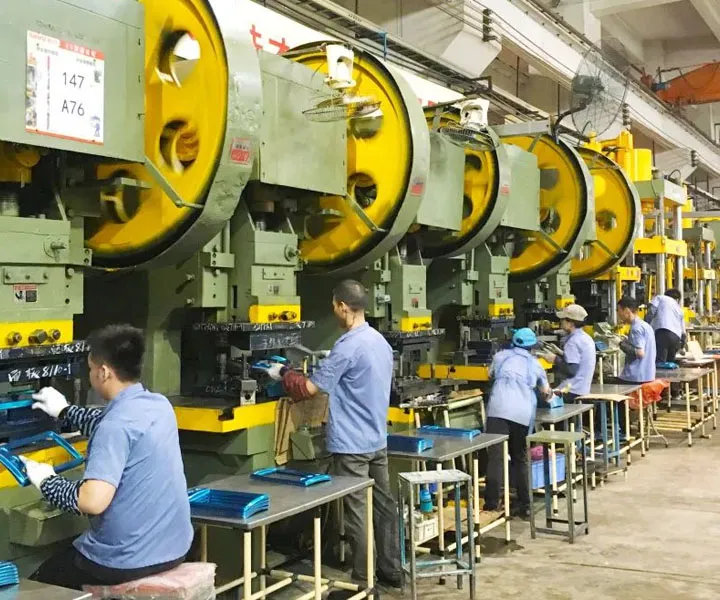
The production involves precision stamping dies installed on punching machines. We manufacture various components including engine oil pans, steering bars, car undercarriage beams, and engine block support plates.
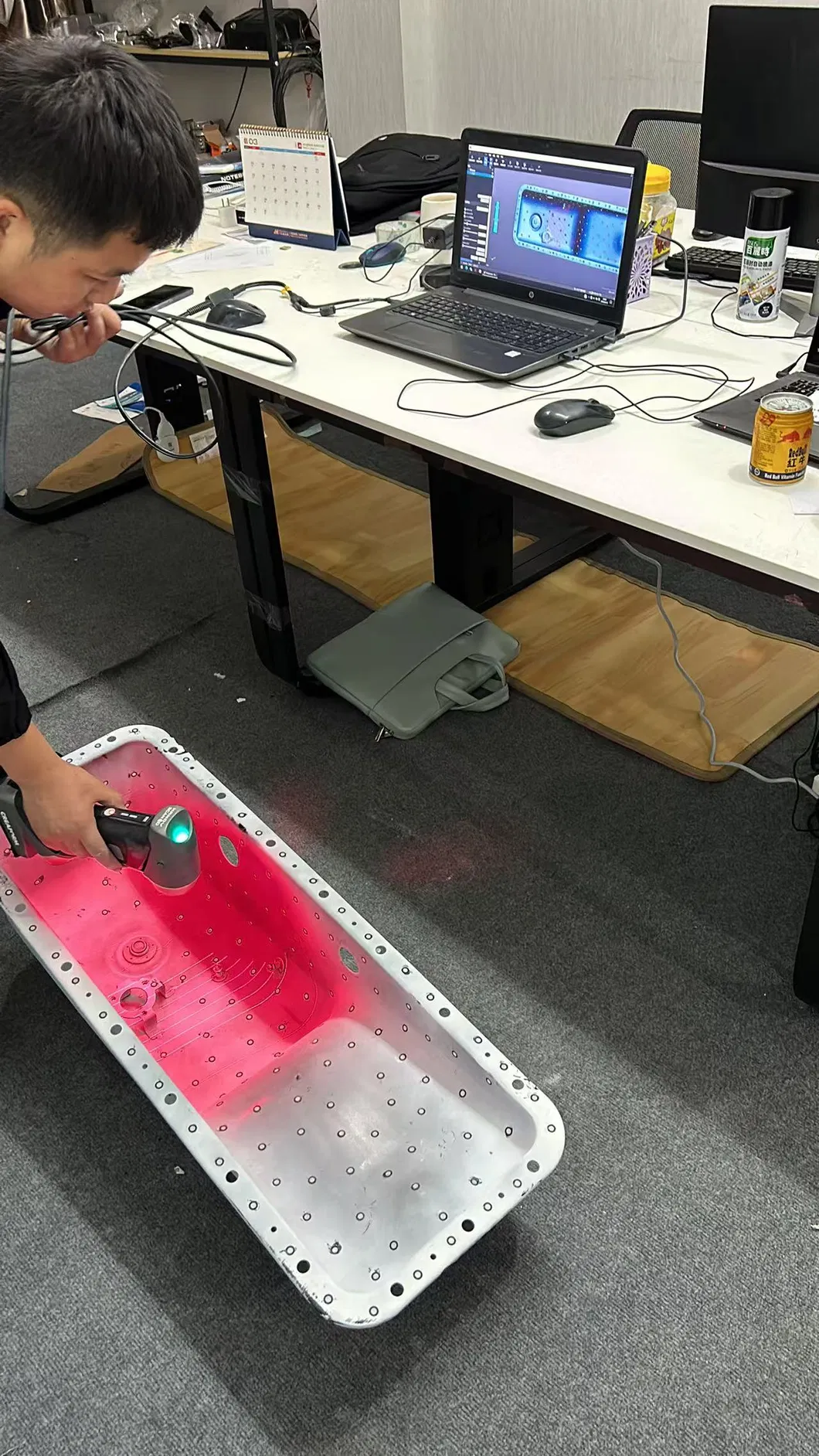
Following IATF 16949 standards, we establish core teams for engineering, quality, and manufacturing. We utilize advanced portable 3D scanners to acquire high-resolution metrology-grade data for oil pan design.
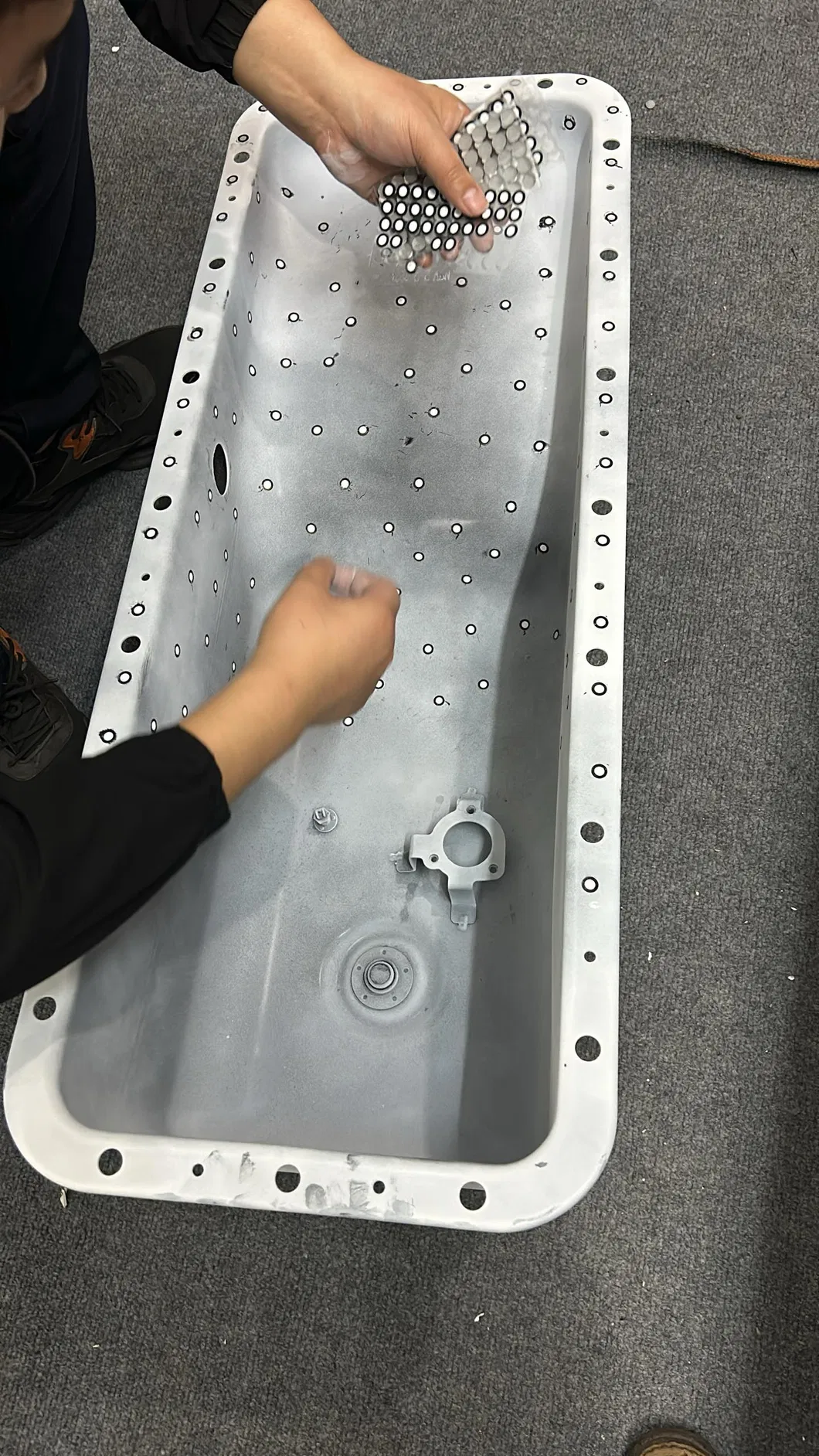
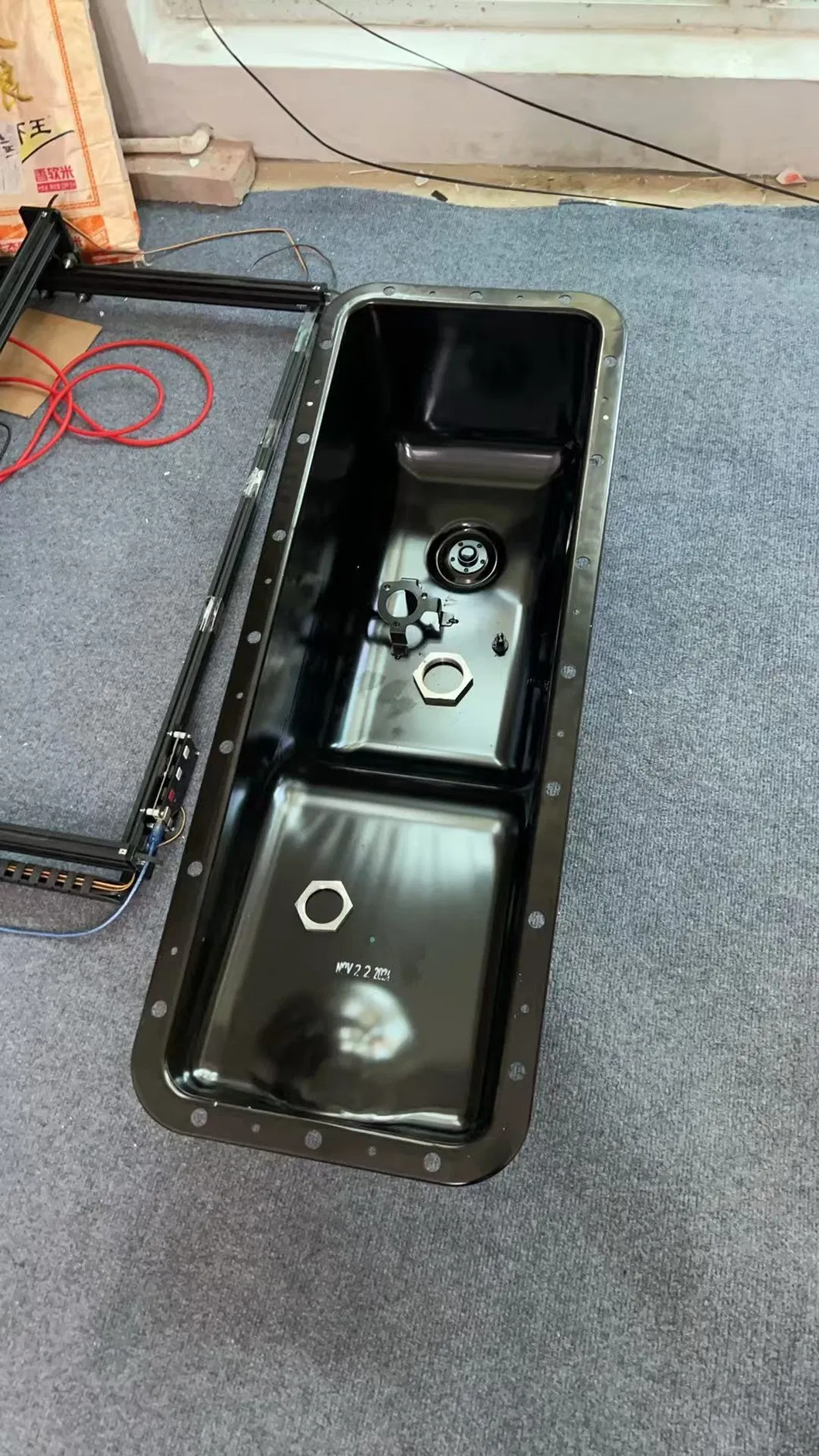
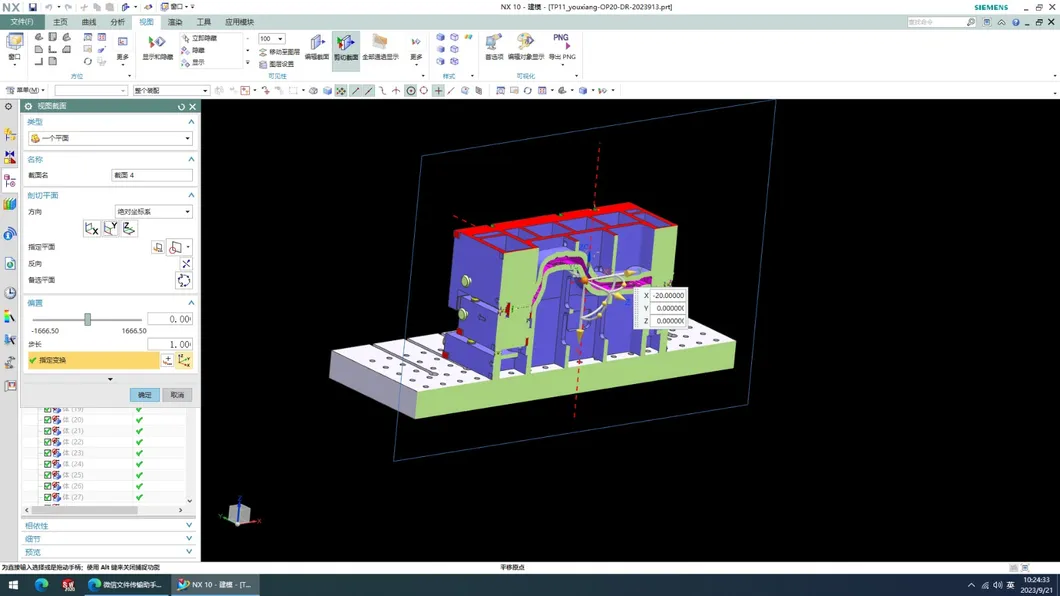
Data is imported into design software like Solidworks or UG to create 3D and 2D drawings. These drawings define critical dimensions, shapes, and material tolerances.
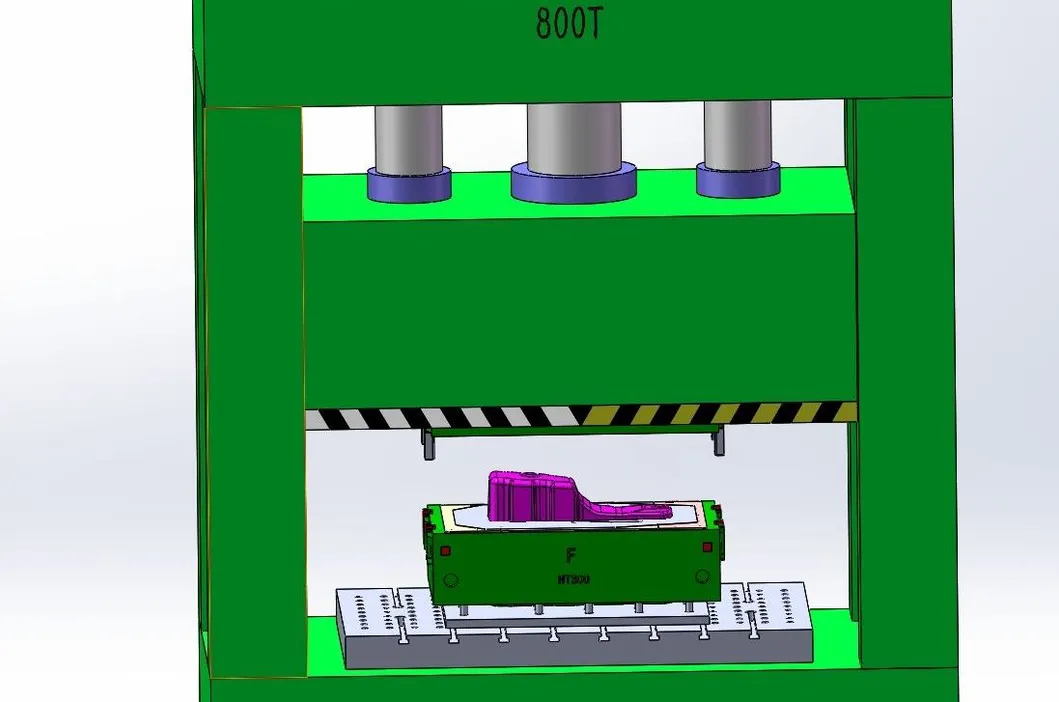
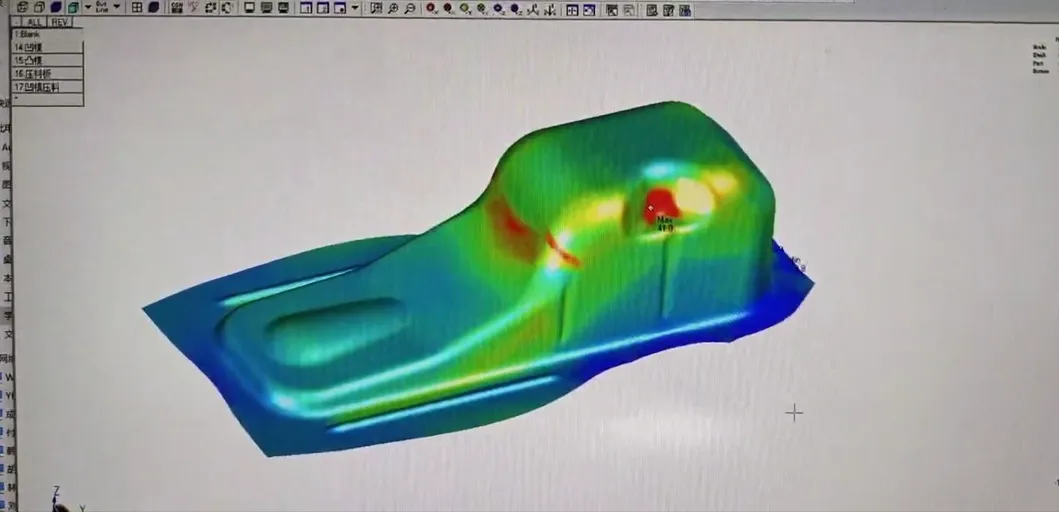
We perform stamping simulations to identify potential cracking or material shortage areas. This process significantly shortens development lead time and reduces costs.
Molds are created using casting and CNC machining followed by hand polishing. Every mold and first-sample part undergoes strict CMM inspection to ensure bolthole accuracy and dimensional tolerance.
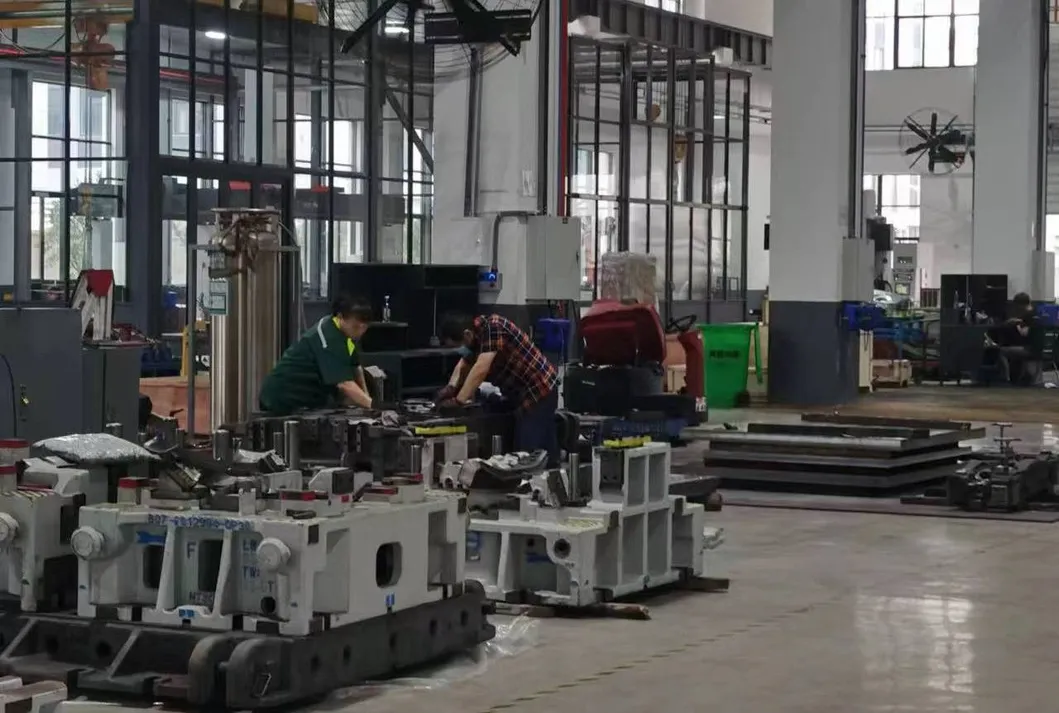
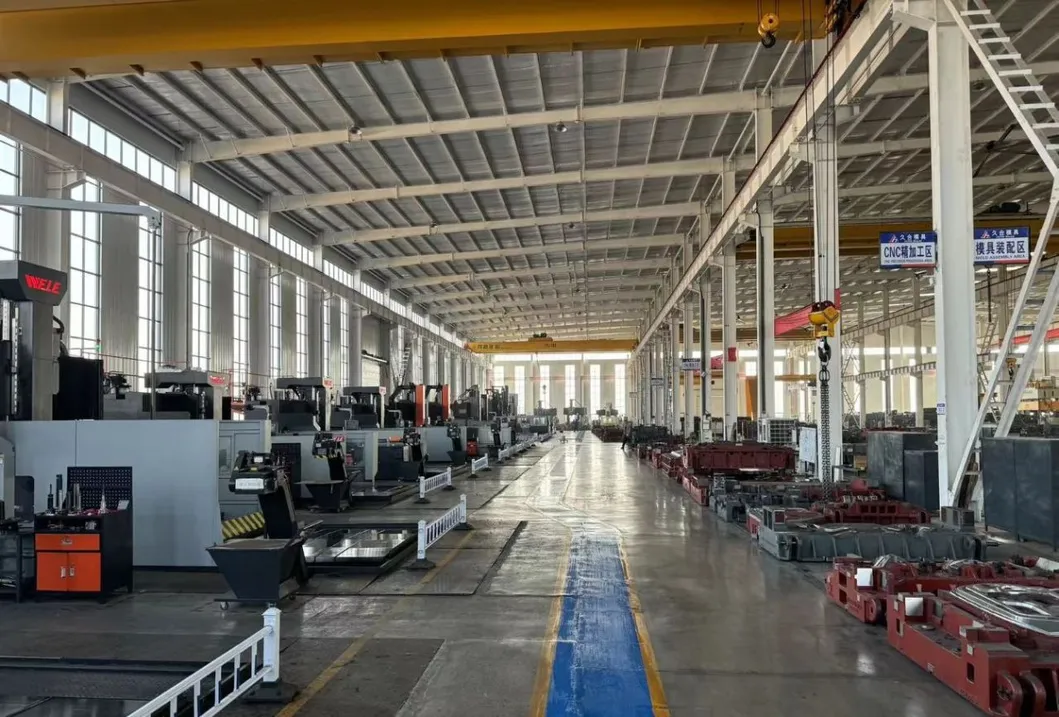
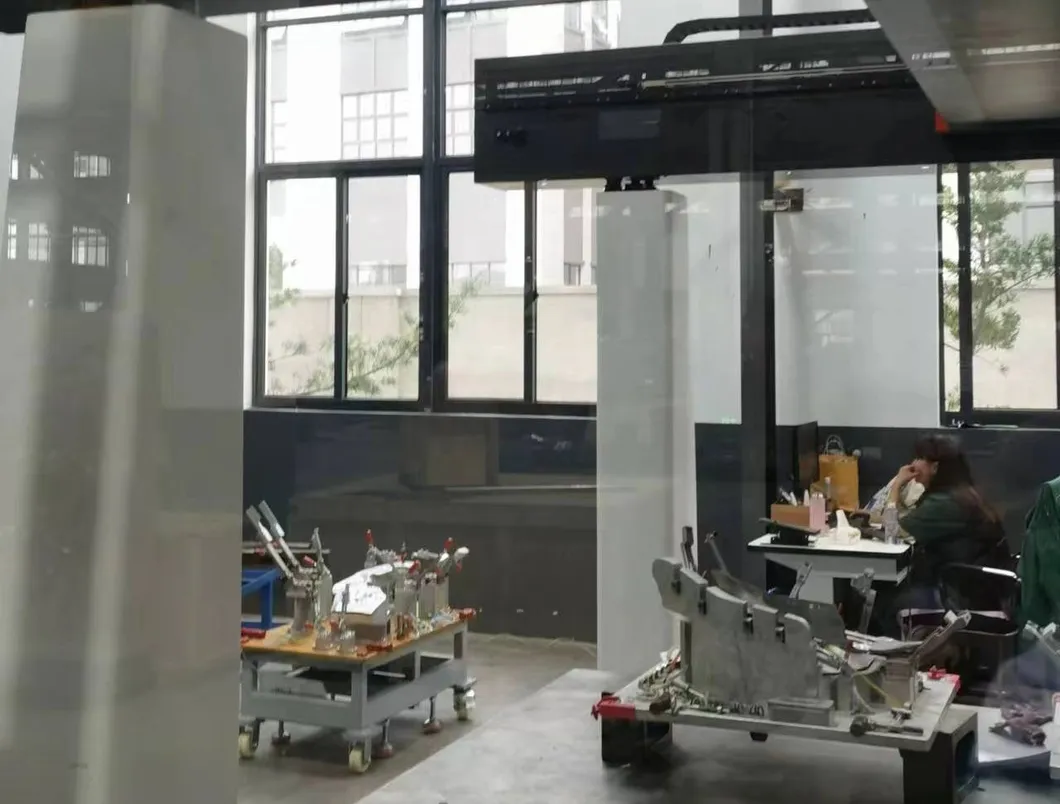
Trial runs are conducted to verify mold performance and ensure all critical dimensions are under control before full production begins.
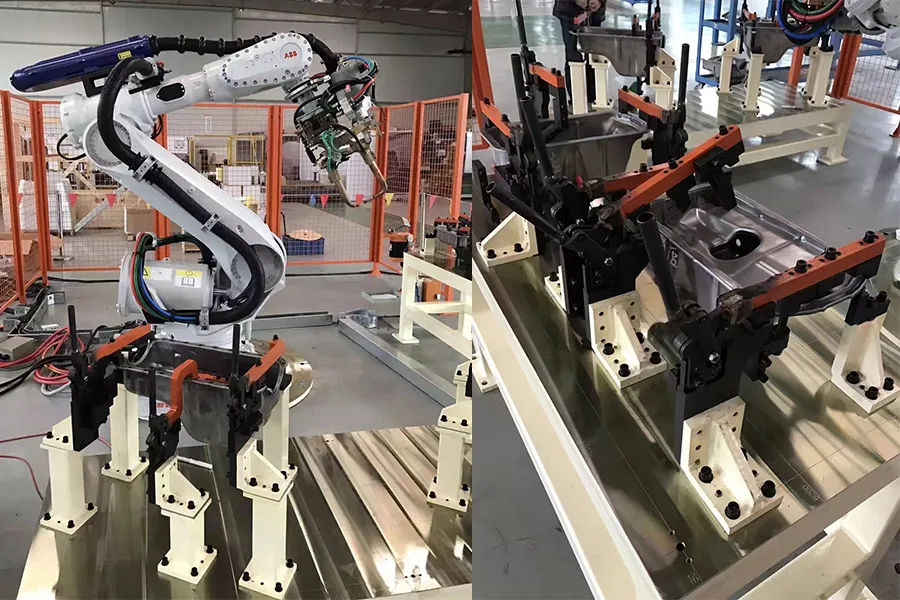
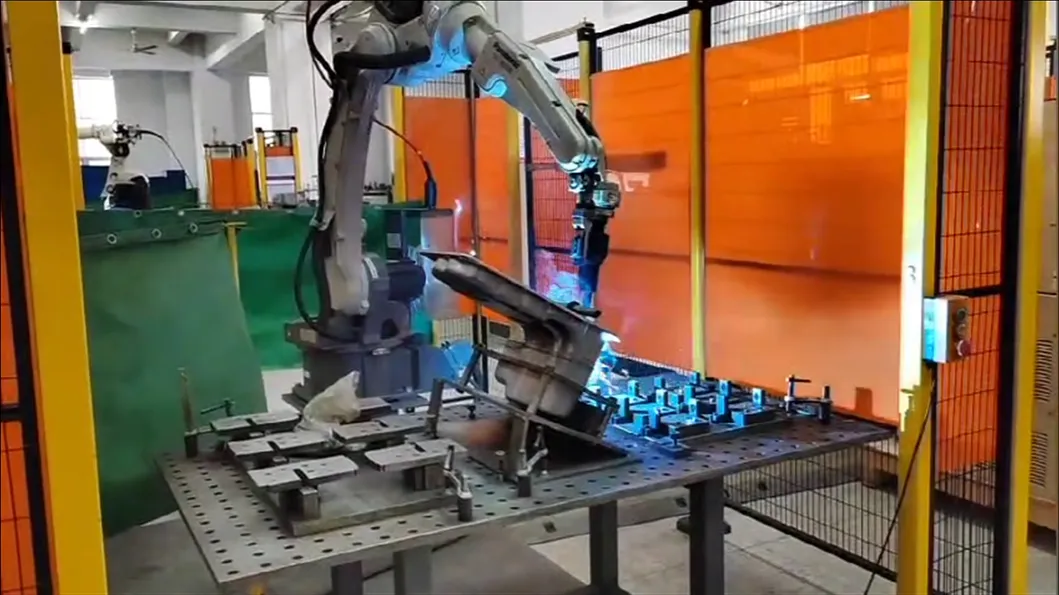
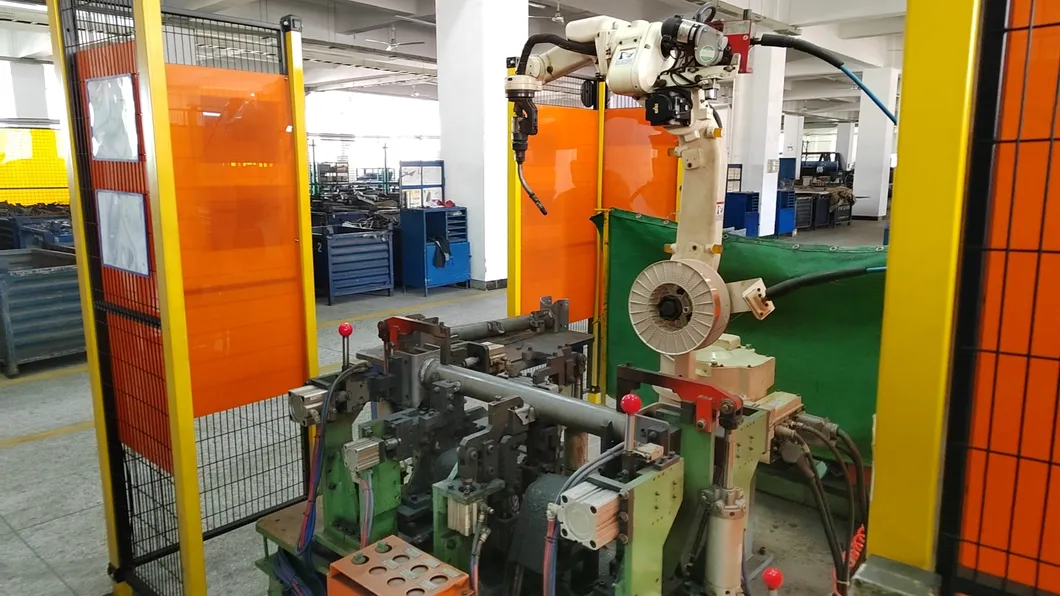
We utilize spot welding (resistance welding) for baffles and reinforcements, and shield welding (CO2 welding) for components requiring airtight seals. Robotic welding arms are employed to ensure consistent quality and precision.